Welcome to Nepal! Our representative meets you at Tribhuvan International Airport and takes you to your hotel. Depending on your arrival time, you meet your guide for a first overview of the trek.
Tsum Valley Manaslu Circuit Trek
22
Days
- Tsum Valley Manaslu Circuit Trek
- Tea House Trek
- 21 Days
- Macha Khola/Kathmandu
- Moderate to Challenging
- Dharmasala 4460m
- 5-6 Hours
- 1-6 People
- March-May and Sept-Nov
- Accomodation Lodge, Tea Houses.
- Flight, Reserved Jeep, Public bus.
- MANASLU Trekking permit,TSUM Valley Restricted permits (10 Days),Annapurna Conservation Area (ACAP)Manaslu Conservation Area Permits (MCAP)Chumnubri Rural Municipality Permit
Overview
The 22-Day Tsum Valley Manaslu Circuit Trek is an extraordinary Himalayan adventure combining the hidden cultural world of Tsum Valley with the spectacular landscapes of the Manaslu Circuit.
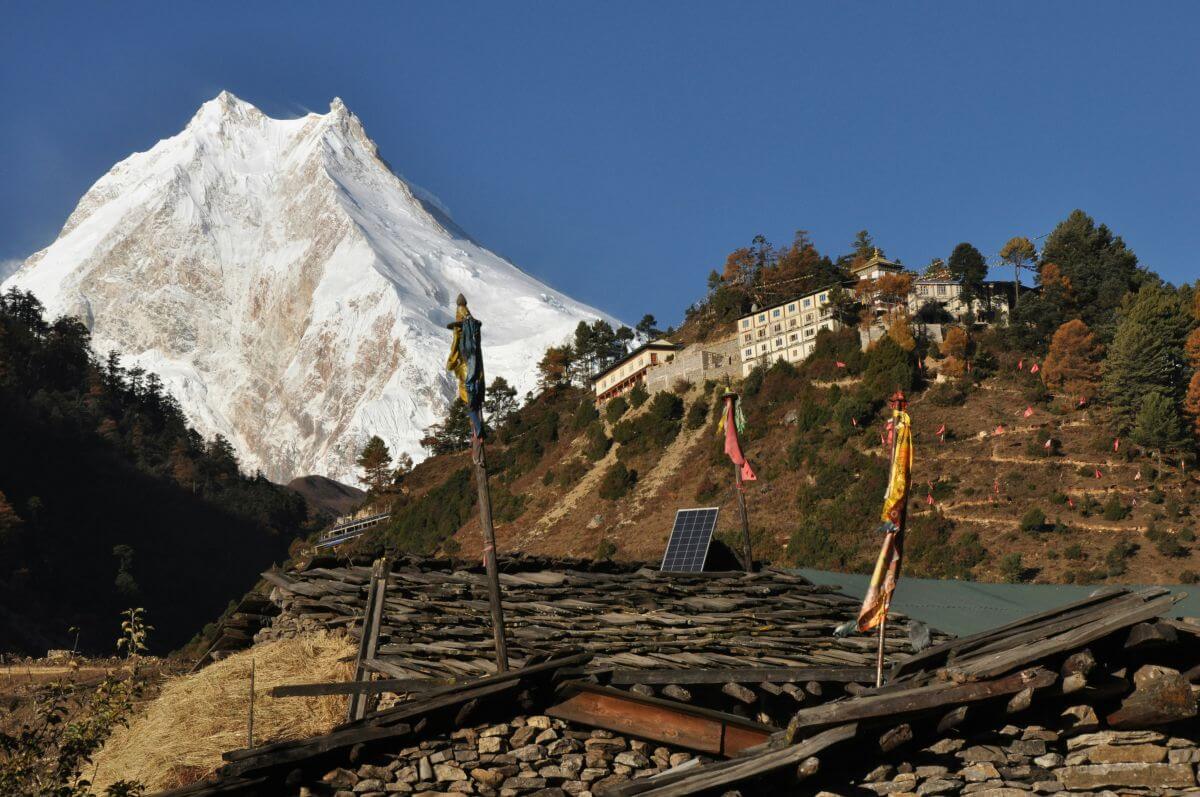
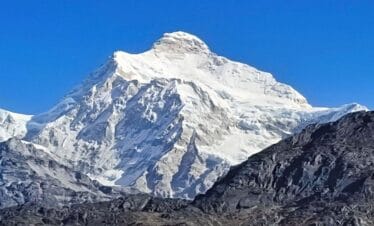
The Tsum Valley and Manaslu Circuit Trek combines two of Nepal’s most rewarding restricted-area treks. First you explore the Tsum Valley, a hidden Buddhist valley near the Tibetan border that was closed to outsiders until 2008. Then you join the Manaslu Circuit and walk around Mt Manaslu (8,163 m), the world’s eighth-highest mountain, crossing the high Larkya La pass (5,106 m).
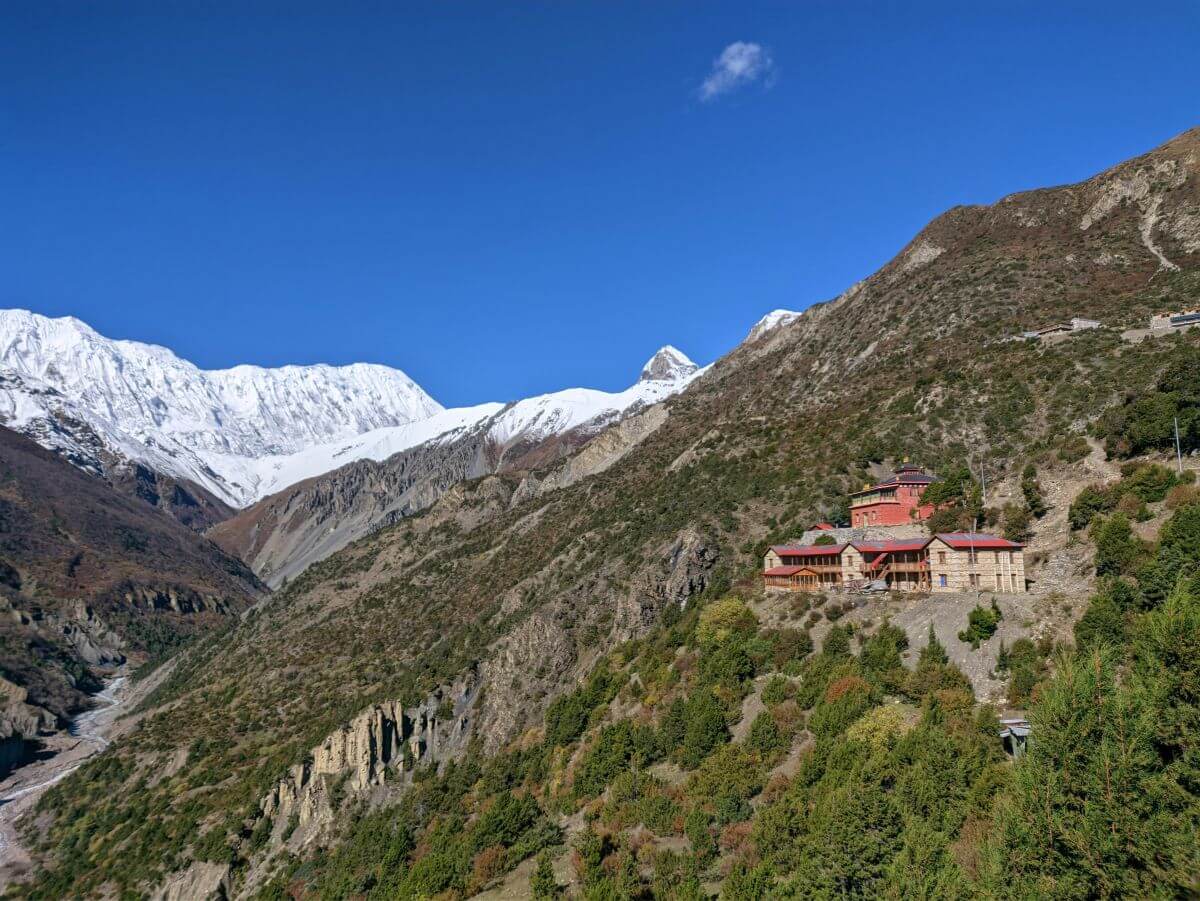
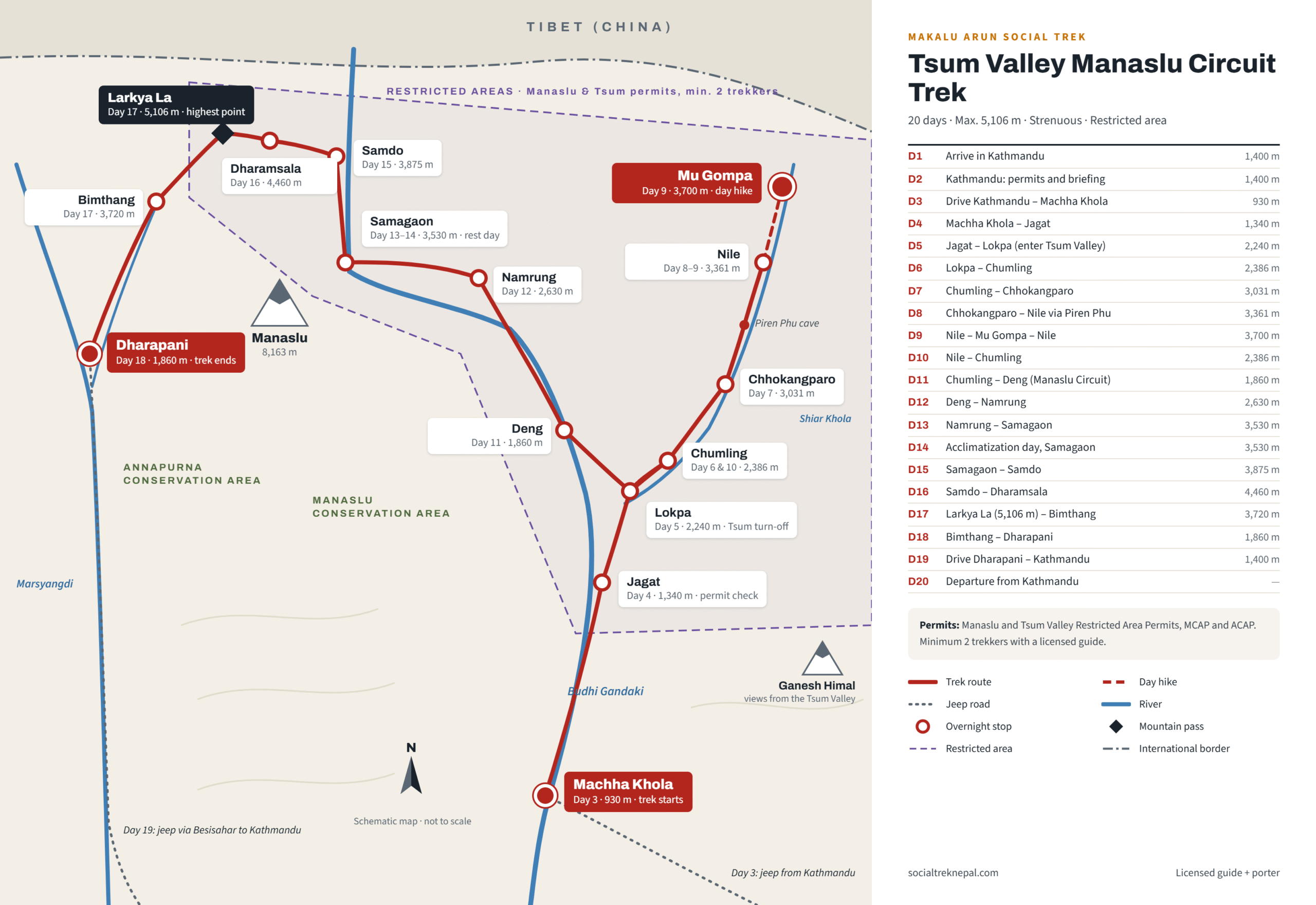
From Machha Khola you follow the Budhi Gandaki River through gorges and Gurung villages to Jagat and Philim, then turn off into the Tsum Valley. Here you visit Tsumba villages, long mani walls and ancient monasteries, including Piren Phu (the Pigeon Cave) and Mu Gompa, the valley’s highest monastery.
Returning to the Manaslu Circuit, you climb through Deng, Namrung and Samagaon, with close-up views of Manaslu, to Samdo and Dharamsala. After crossing Larkya La, you descend past Bimthang into the green Marsyangdi Valley and drive back to Kathmandu.
Both valleys are restricted areas: you need special permits, at least two trekkers in the group and a licensed guide. We arrange all permits for you, and you trek with a licensed guide and a porter who carries your main luggage.
The trek reaches the spectacular Larkya La Pass at approximately 5,106 metres, followed by a dramatic descent toward the Marsyangdi Valley.
With Makalu Arun Social Trek, this is more than a mountain journey. We encourage our guests to experience local culture, stay in community-based accommodation, support local services and travel responsibly through one of Nepal's most culturally and environmentally sensitive trekking regions
Highlights.
- Explore the hidden Tsum Valley, a sacred Tibetan Buddhist valley near the Tibetan border
- Visit Mu Gompa, Rachen Gompa and Piren Phu, with centuries-old murals, shrines and scriptures
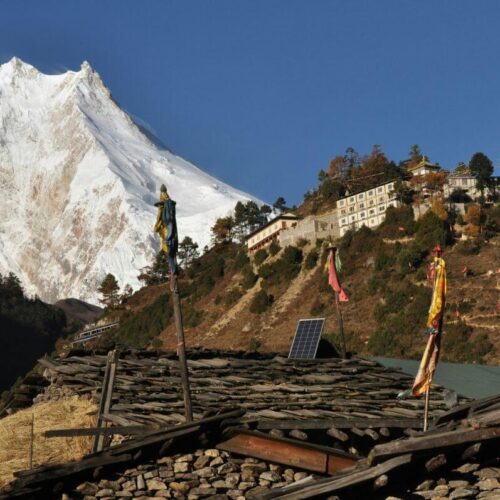
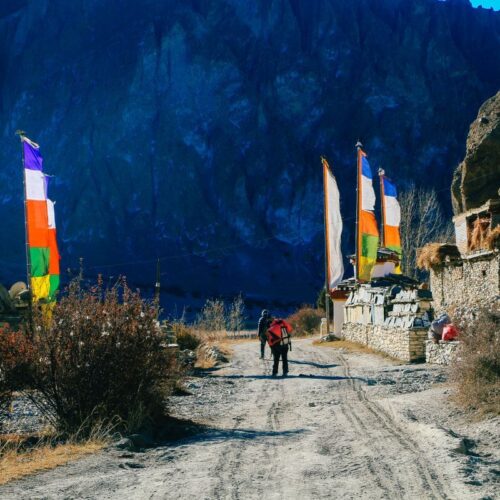
- Walk through Tsumba, Gurung and Tibetan-influenced villages with mani walls, chortens and prayer flags
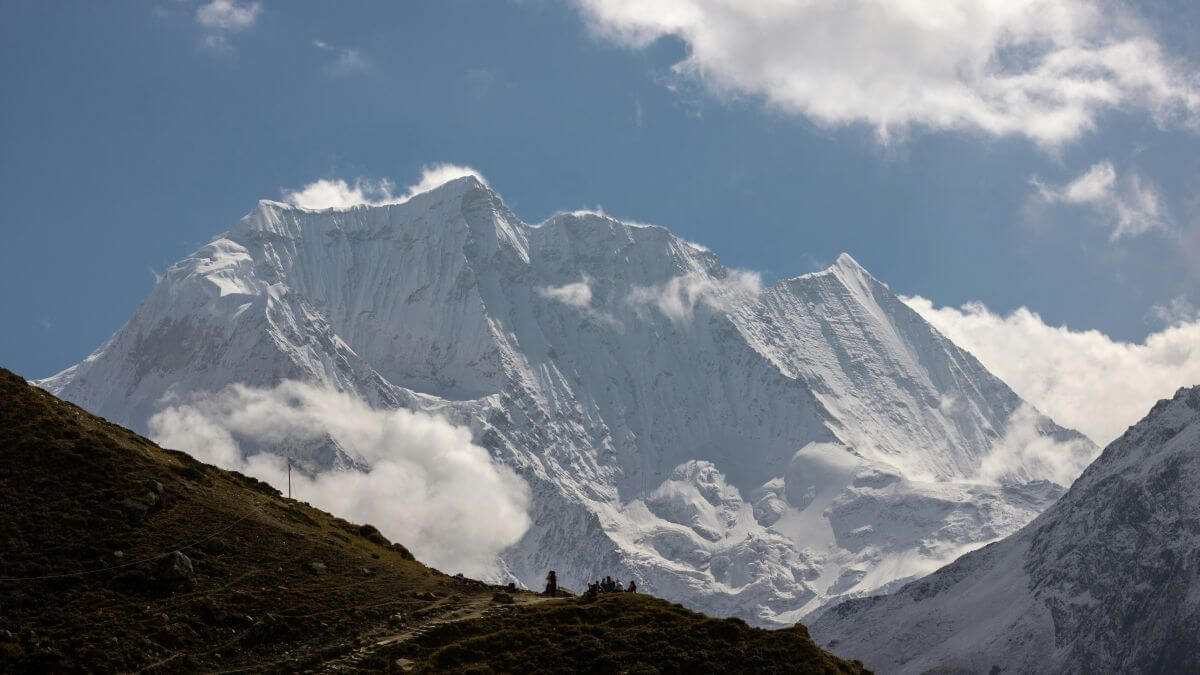
- See Manaslu, Ganesh Himal and Himalchuli up close from Samagaon and Samdo
- Cross the Larkya La pass (5,106 m), with huge views of glaciers and peaks
- Descend into the Marsyangdi Valley, from alpine landscapes back to green forests
Itinerary.
A. Outline Itinerary.
- Day 1 1,400m
- Day 5 2,240m
- Day 9 3,700m
- Day 13 3,530m
- Day 17 5,106m
- Day 19 1,400m
| Day | Day | Description | Altitude (Meters) | Net Gain/Loss (Meters) | Trek Duration. |
|---|---|---|---|---|---|
| 1 | 1 | Arrival in Khandbari | 1400 | 0 | 0 |
| 2 | 2 | Kathmandu – Trek Preparation and Sightseeing | 1400 | 0 | 5-6 |
| 3 | 3 | Drive from Kathmandu to Machha Khola | 870 | 530 | 8-9 |
| 4 | 4 | Trek from Machha Khola to Jagat | 1340 | 470 | 6-7 |
| 5 | 5 | Trek from Jagat to Lokpa | 2240 | 900 | 5-6 |
| 6 | 6 | Trek from Lokpa to Chumling | 2686 | 446 | 4-5 |
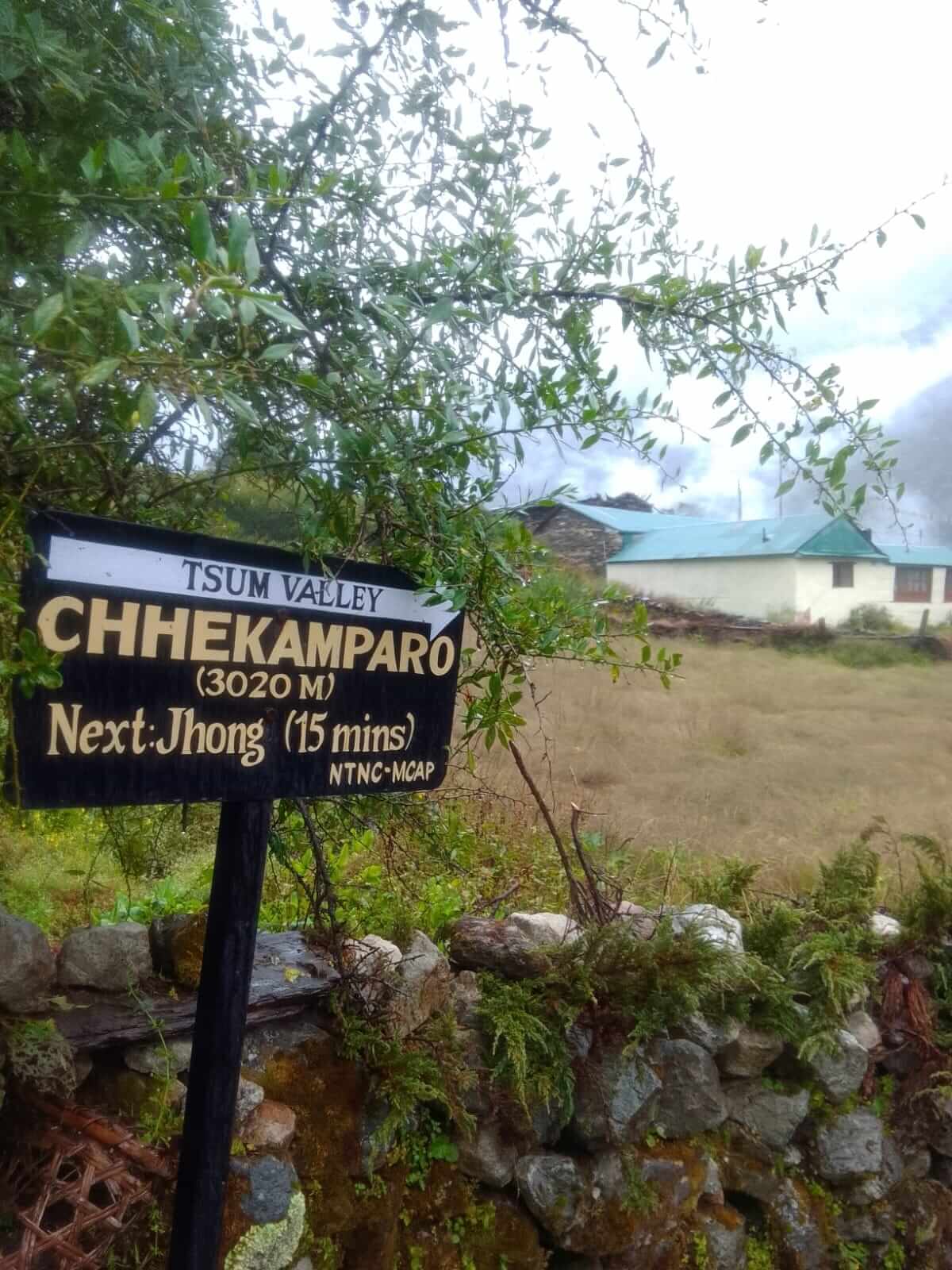
| 7 | 7 | Trek from Chumling to Chhokangparo | 3031 | 345 | 5-6 |
| 8 | 8 | Trek from Chhokangparo to Nile – Visit Piren Phu | 3361 | 330 | 5-6 |
| 9 | 9 | Trek fromNile to Mu Gompa and Back | 3700 | 339 | 5-6 |
| 10 | 10 | Trek from Nile / Chhule to Chumling | 3700 | 0 | 6-7 |
| 11 | 11 | Trek fromChumling to Deng | 1860 | -1840 | 6-8 |
| 12 | 12 | Trek from Deng to Namrung | 2630 | 770 | 6-7 |
| 13 | 13 | Trek from Namrung to Samagaon | 3530 | 900 | 6-7 |
| 14 | 14 | Acclimatization and Exploration Day in Samagaon | 3530 | 0 | 4-6 |
| 15 | 15 | Trek from Samagaon to Samdo | 3875 | 345 | 4-5 |
| 16 | 16 | Trek from Samdo to Dharamsala / Larkya Phedi | 4460 | 585 | 4-5 |
| 17 | 17 | Cross Larkya La Pass and Trek to Bimthang | 5106 | 646 | 8-10 |
| 18 | 18 | Trek from Bimthang to Dharapani | 1860 | -3246 | 6-8 |
| 19 | 19 | Drive from Dharapani to Besisahar-Kathmandu | 1400 | -460 | 10-12 |
| 20 | 20 | Final Departure | 0 | 0 | 0 |
B. Detailed Itinerary.
While we finalize your restricted-area permits, your guide checks your gear and briefs you on the route, altitude, lodges and safety. The rest of the day is free to explore Kathmandu.
A long drive from Kathmandu through hills, terraced fields and river gorges to Machha Khola, the traditional start of the walking route. Overnight in a tea house.
Follow the Budhi Gandaki River upstream through forest and small farming villages, crossing several suspension bridges, to Jagat — the entrance to the Manaslu Conservation Area, where permits are checked.
Day 5 :
Jagat to Lokpa (2,240 m)
Continue past Philim to the trail junction, where you leave the Manaslu Circuit and enter the Tsum Valley. A scenic walk through woodland brings you to Lokpa, the valley’s first settlement.
Climb through forest along the Shiar Khola to Chumling, with its stone houses, mani walls and old monastery, and views of Ganesh Himal
Walk into the Upper Tsum Valley through Tsumba villages and terraced fields, past prayer flags and long mani walls, to Chhokangparo on a wide plateau surrounded by snow peaks.
Climb into more open alpine country and visit Piren Phu, the Pigeon Cave, a revered pilgrimage site with historic Buddhist murals and scriptures. Continue to Nile, the last main village in the upper valley.
Day 09 :
Nile to Mu Gompa and back
Walk up through wild, remote landscape to Mu Gompa (about 3,700 m), the highest monastery in the Tsum Valley, close to the Tibetan border. Explore the monastery before returning to Nile for the night.
Descend the valley, stopping at Rachen Gompa, a nunnery famous for its peaceful setting, and continue down to Chumling
Day 11 :
Chumling to Deng (1,860 m)
Walk back down through Lokpa and rejoin the Manaslu Circuit, following the Budhi Gandaki upstream through forest and along dramatic river cliffs to Deng.
Day 12 :
Deng to Namrung (2,630 m)
Climb through forests and traditional villages as the landscape changes with altitude, to Namrung, known for its mountain views and Tibetan-influenced culture
Walk via Lho, with its monastery and superb views, up the valley to Samagaon, the main village of the upper Manaslu region, with Manaslu towering above
Day 14 :
Acclimatization day in Samagaon
Rest and acclimatize. With your guide, take an optional hike to Pungyen Gompa or towards Manaslu Base Camp for close-up views of the glacier, returning to Samagaon for the night.
Day 15 :
Samagaon to Samdo (3,875 m)
A short, gradual climb through high, open country to Samdo, the last permanent village before the pass, close to the Tibetan border
Climb past glaciers and mountain walls to Dharamsala, the basic lodge below the pass. Rest, hydrate and prepare for an early start.
Start before sunrise and climb slowly to the Larkya La, with a vast panorama of peaks and glaciers. Then begin the long descent to Bimthang. This is the longest and hardest day of the trek (8–10 hours).
Day 18 :
Bimthang to Dharapani (1,860 m)
Descend through forest and farmland into the warmer Marsyangdi Valley to Dharapani, where the Manaslu and Annapurna circuits meet.
Day 19 :
Drive to Kathmandu
Drive down the Marsyangdi Valley via Besisahar and on to Kathmandu. Enjoy a celebration dinner in the city
Day 20 :
Departure
We take you to Tribhuvan International Airport for your flight home.
Permits for Tsum Valley and Manaslu
Both the Tsum Valley and the Manaslu region are restricted areas. To trek here you need:
- A Manaslu restricted area permit
- A Tsum Valley restricted area permit
- A Manaslu Conservation Area Permit (MCAP)
- An Annapurna Conservation Area Permit (ACAP), for the descent to Dharapani
- Chumnubri Rural Municipality fee
Tea houses: pay as you go
Food and accommodation on the trail are not included in our price. You pay tea houses and lodges directly, so the money stays with local families. Budget around US$[50] per person per day for meals, a room and hot drinks (paid in Nepali rupees). Prices rise with altitude.
Your Guide and Porter
Your trek is led by a licensed guide, which is required by law for the Tsum and Manaslu restricted areas. Your guide handles permits and check-posts, knows the route and the lodges, speaks English, and looks after your safety, including watching for signs of altitude sickness.
For every two guests, a porter carries your main luggage (up to 20 kg in total), so you only need a daypack. Both are fairly paid and insured.
Altitude and Fitness
This trek crosses Larkya La at 5,106 m, with a very long day of 8–10 hours on the crossing. You should be fit enough to walk 6–7 hours a day for two weeks, and previous trekking experience is recommended. The itinerary includes gradual altitude gain in the Tsum Valley and an acclimatization day at Samagaon. Tell your guide straight away if you have a headache, nausea or dizziness. Travel insurance with helicopter rescue up to 5,200 m is required.
Cost and Price Details
The price includes
- A licensed guide: daily wages, food, accommodation and insurance
- A porter (one porter per 2 guests): daily wages, food, accommodation and insurance
- Shoes, socks and gloves for your guide and porter
- All restricted-area and conservation-area permits listed above
- Reserved jeep Kathmandu – Machha Khola and Dharapani - Kathmandu
- Airport pick-up and drop-off in Kathmandu
- MAST service charge and government tax (VAT) 15% is included
- A contribution to our community projects
The price does not include
- International flights
- Nepal visa (currently $30 for 15 days, $50 for 30 days )
- Hotels and meals in Kathmandu
- Food and accommodation on the trek (paid directly to tea houses, see below)
- Travel and medical insurance, including helicopter rescue
- Personal expenses: drinks, hot showers, charging, laundry, shopping
- Tips for your guide and porter
- Costs caused by events outside our control, such as landslides, road closures or strikes
Tsum Valley Manaslu Trek Map
FAQs
General
It’s challenging. Most days involve 6–7 hours of walking, and the Larkya La crossing (5,106 m) is a very long, high day. Good fitness and some previous trekking experience are recommended
The Larkya La pass at 5,106 m. The highest overnight stop is Dharamsala (Larkya Phedi) at about 4,460 m
Yes, you can. Both the Tsum Valley and Manaslu are restricted areas, so you need special permits, at least one trekkers in your group and a licensed guide.
Restricted area permits for Manaslu and the Tsum Valley, plus the Manaslu (MCAP) and Annapurna (ACAP) conservation area permits. We arrange all of them for you in Kathmandu
From $1,764 per person for two people sharing one licensed guide and one porter. On top of this, budget for food and accommodation at tea houses (about US$[50] per person per day), plus flights and insurance.
Spring (March–May) and autumn (September–November). Larkya La can be closed by snow in winter, and the monsoon (June–August) brings rain and landslides.
Yes. We can arrange the Manaslu Circuit only (shorter) or the Tsum Valley only (no high pass). Tell us your dates and we’ll send you an itinerary and cost
Most lodges offer charging and hot showers for a small fee, though they become basic above Samagaon. Bring a power bank.
There are no ATMs on the trail, so bring enough Nepali rupees from Kathmandu. Mobile signal and paid Wi-Fi are available in some villages, but not reliably.
So your money goes directly to the families who run the lodges, and so you are free to choose what you eat and where you stay.
Warm layers, a down jacket, a four-season sleeping bag, good boots, microspikes (for a snowy pass), a water filter or purification tablets, a power bank, snacks and toilet paper.
Book Kanchenjunga Trek with us
Send Us Message
Trip List
Guests' Reviews
Posted on Tripadvisor
 hugo m
Verified
Nepal best 's trek Nepal best 's trek, very remote, very wild, lots of different scenery. If you want to trek in a place that is still very authentic you should go for it.Posted on Tripadvisor Mola kMakalu Base Camp Makalu Base Camp trekking is definitely not for the faint-hearted. It's a challenging route that requires a lot of experience and good physical condition. You'll pass through snowfields such as Shipton La & Keke La, which are located above 4000m and covered in deep snow, making it difficult to trek. The snow blizzards and strong winds add to the challenge. You'll also encounter big boulders before reaching Yangle Kharka, which requires good balance and experience to navigate. The trek involves constant ascent and descent between 3500m to 4200m, and you'll climb (and descend) 8500m overall, including the viewpoint at 5900m elevation. However, all the hard work pays off when you witness the breathtaking mountain, river and lake sceneries that are unlike anything you've ever seen before. One of the most striking things about this trek is that you'll rarely see other hikers on the route. This gives you a unique opportunity to immerse yourself in the local culture and see firsthand how the Sherpa people live their everyday lives. We highly recommend using a local company like Makalu Arun Social Trek (MAST) and local guides/porters like Mr Suk Bahadur Ghimire and Mr Ratna Bahadur Rai, who have extensive knowledge of the area and are incredibly helpful.Posted on Tripadvisor
 arun uThe best and the only trekking company registered in Makalu region Right from the beginning Mr. Tejanath was very involved and helped with the planning and obtaining all the permits. His company is the only trekking company registered in the Maklau region so they only work with locals who have great knowledge about the region.Rajkumar Rai was my porter/guide who was incredibly helpful and without his support I wouldn't have made it to the base camp. From picking me up at the airport, inviting me to his lovely home for lunch Tejanath helped me prepare for the trek. After I finished the trek he made sure everything went well right until my return flight from Tumlingtar and even helped me with making alternate arrangements when my flight was cancelled.Overall if you want a real local experience for me exploring the Makalu base camp and very reasonably priced compared to what other companies from Kathmandu charge your best option is Maklau Arun Social TrekPosted on Tripadvisor
 Peter MA highly recommended trek This was my tenth trek in Nepal and my fourth trek this year as I am making up for lost time during Covid. In October 2002 I trekked in Dolpo with a group for a month and then wanted to do a shorter and cheaper trek in November 2002 before returning to the UK. The Makalu Base Camp trek seemed ideal as I wanted to have close up views of the mountains and trek somewhere that wasn’t too commercialised or busy.Makalu Arun Social Treks (MAST) was mentioned in the Lonely Planet guide book and, after looking at their website and reading the good Tripadvisor reviews, I decided that the service they were offering was what I wanted. What I wanted was a good porter/guide at a reasonable rate and for someone to organise the required transportation and other aspects of the trek like the TIMS card.MAST was set up to help fund an orphanage but no longer does this as the government has taken over this responsibility. MAST is run by Tejanath who is a retired English school teacher who lives in Khandbari. This year they haven’t organised many treks and mine was their fourth trek for the year. Tejanath was extremely helpful from the moment I contacted him and always promptly replied. He prefers Whatsapp so we soon switched to that and he is happy to talk on Whatsapp also.Tejanath allocated me a porter/guide called Suk (aka Strong Man) who was very good and friendly, strong enough to carry all my gear and spoke some English. He also lives in Seduwa, which is at the start of the trek, so he knew the trek and the local people very well. I didn’t expect him to speak English and the only problem was that he thought his English was better than it was. As a result it was sometimes a bit difficult and frustrating trying to understand him.Tejanath personally met me at Tumlingtar airport and brought me by tuk tuk to my hotel in Khandbari and also took me back to the airport. He and his wife were both very hospitable and looked after me very well whilst I was in Khandbari. The trek was very well organised and I have absolutely no hesitation in recommending MAST for the Makalu Base Camp trek. It is much better and cheaper to use MAST than a Kathmandu based trekking agency. I also think that the Makalu trek is excellent and one gets very close up to so many 6,000 to 8,000 metre peaks. You can fairly easily get up to 5,738 metres on this trek, which is higher than on a lot of other treks in Nepal.I have posted a trip report on the Tripadvisor travel forum:https://www.tripadvisor.co.uk/ShowTopic-g293889-i9243-k14193957-Lower_Dolpo_and_Makalu_Base_Camp_Treks_Trip_Report-Nepal.htmlPosted on Tripadvisor
 ELCAMINENTEMakalu basecamp yrek I returned to Nepal for the 8th time, to do Makalu basecamp trek in October 2022, starting from Phaplu to the Arun river and up the high passes to the Barun river towards the basecamp and back the same way to Tumlingtar. I used the services of Makalu-Arun social trek (MAST) because it fits my budget supplying a porter/guide only (a porter who knows the trail). The walk was great and Tejanath of MAST took care of all the details. Really there was no need for a guide as the trail was clear all the way and it was nice to walk alone in the nature as my porter was most of the time well ahead or behind. Here follows some notes for other travellers :1- For the first time i noticed a lot of Nepali trekkers on the trail, this will definitely make the experience richer and change the old image of trekking in the Himalayas forever.2- The trail is a lodge trek with new and big lodges all the way, there are even smaller lodges halfway for lunch or a less crowded experience. Note that prices here are higher than elsewhere in Nepal (rooms from 500 to 700 per person and same for a Dahlbat). The smaller lodges tend to charge more than the big ones.3- the big "draw back" for this trek is the terrible jeep ride from Khandbari to Num, really 4 to 5 hours of non stop shaking through deep muddy trenches and big rocks. I hope that the national park authority will really try to find a walking alternative adding 2 more days to the trek.Posted on Tripadvisor
 splixerScenic and strenuous hike in the Himalays I completed the Makalu Base Camp trek early October and had a great experience. The trek itself is a pretty hard one. Harder than Everest Base Camp and the Annapurna Cicuit trek which I did back in 2016. But it is more rewarding. Still a pristine off-the-beaten path trail. Especially the Barun valley is heaven on earth. During 14 days I just met one foreign tourist. Besides him just friendly locals on the trail. On the lower section of the trail you will see mainly Hindu people. The higher you go the more Bhuddist people you will meet. This gives the trek a nice contrast. Accommodations and food a pretty basic on this trek (don’t expect deep fried chocolate bars). I recommend vegetarian food while hiking in order to prevent food poisoning.With MAST you pay for the porter guide and transportation in advance. Your personal expenses on the trek you pay as you go. This consists mainly of food and accommodation. Sometimes I experienced some bigger price differences between the accommodations/food places. I recommend you confirm the price in advance at these places. In short this is a more cost-effective way to hike. If you go for a Kathmandu based agencies you could easily spend double the price.My guide was a local from Seduwa village on the trail. He was very strong and helpful person. However I experienced a culture-shock sometimes 😉.While hiking I recommend to get up as early as possible to experience clear conditions. Yes, it still rains a lot even during mid-September. Also you should bring good hiking sticks hence the trek can be quite technical at some points. Expect landslide areas and rough river crossings.In a nutshell I recommend this trek to the experienced hiker. This is not a hike for rookies. But it is definitely worth the struggle. Your reward will be higher than on other treks in Nepal.Posted on Tripadvisor
 Sham TatkareBrief Trek Report and Feedback about Makalu Arun Social Trek (MAST) Makalu (27,820 ft.) is worlds 5th highest mountain. It is located at 20 km southeast of Mount Everest, Nepal. Our journey and trek route was, Pune - Delhi - Kathmandu - Biratnagar – Dharan – Khandbari - Num – Seduwa – Tashigaon - Danda kharka – Khongma – Dobato - Yangle kharka - Shiv Dhara - Langmale Kharka - Makalu Base Camp. Trek route is initially through Arun valley and then we enter in to Barun Valley. Due to lack of basic facilities & development, this region of Himalaya has been preserved in its best form. Quality of air, water and vast variety of fauna & flora are really exceptional. Barun valley has many Rudraksha trees and medical plants (Jadi-Buti). As per local belief, people living in Barun valley never have any disease and look much younger than their age. Recently (April 2019) Yati foot prints were reported by Indian army expedition team near Langmale Kharka. Tashigaon is the famous village of high altitude specialist mountaineers i.e. “The Sherpas”. At Danda Kharka, near Tashigaon, we had a tea break. The hotel owner Sherpa Mr. Lakpa Gylzen, 22 years age, casually told us that he had climbed Mount Everest twice and few more peaks. I felt ashamed that Everest climber was serving tea to an ordinary trekker like me. . . Shiv Dhara is a 500 feet tall waterfall, on the mouth of a huge dome shape cave. It is believed that God Shiva using his Trishul made a hole in the cave (top side) to solve water scarcity problem in this region. Guide asked me to stand at about 8 feet away from main stream of water fall and then we started praying God Shiva. After about 5 minutes, the water fall changed its position and water started falling on our heads. Guide informed that we are blessed by the God. Of course, there is a scientific reason for this natural phenomenon. However, such incidents help to strengthen one’s belief in God and inspire us to follow the path of righteousness & virtues. . . No words will be enough to Thanks my brave guide Mr. Shuka Bahadur Ghimre & the respected school teacher, Mr. Tejanath Pokharel, Chairperson, Makalu Arun Social Trek (MAST) & his family for organizing such a wonderful trek and all the help. We are also thankful to Mr. Mohan Kumar Kafle, Chairman (MAST) for the coordination & arranging necessary trek documents.Posted on Tripadvisor
 gillgill999
Verified
Well organised trek We did the Makalu Base Camp trek in November 2017. This was our ninth trek, organised through different agents in Nepal. For this trek we chose a local agent rather than one based in Kathmandu because the route is still relatively undeveloped and we wanted the benefit of local knowledge and contacts. We have no hesitation in recommending Tejanath. He always answered our email queries promptly and fully, gave us wonderful hospitality before and after the trek, found us an excellent porter and guide, and efficiently organised all the paperwork and land transport before and after the trek. Our guide was related to the extended family that runs all the guest houses on the trek, which enriched our experience. Makalu Base Camp is a beautiful and relatively uncrowded trek, well worth the extra hassle and expense of the flight into Tumlingtar. But you need to be prepared for quite basic food and accommodation, and be aware that once over the Shipton La communications (and hence rescue, should it be necessary) are difficult. Best for trekkers who have some experience.Posted on Tripadvisor Alex WMakalu BC Trek Nov. 2016 Tejaneth of MAST organized a porter/guide (Suk Bhadur Ghimibre) and porter (Raskamar Ghimibre) from the village of Seduwa for our teahouse trek to Makalu Base Camp in November 2016. What an amazing experience! The route and teahouses along it were relatively uncrowded, the natural landscape was epic, the cultural tapestry overlaying all of it was fascinating. Our guide and porter were fantastic and everyone we met along the way was friendly. I would definitely recommend this trek and MAST. I would love to return someday to do this same trek again, and/or one of MAST's Social Treks. Tejaneth and his wife were very gracious and welcoming at the beginning and end of our journey. Namaste, Dhanyavaad, and Feri Betonlah!Posted on Tripadvisor
 EjeebeeMakalu base camp April 2019 I did the trek in April 2019. MAST was very helpful in helping organizing the trek in general. Tejanath coordinated a porter guide for my solo trip and also arranged accomodation in Khandbari. He also helped me get a seat on a plane back to KTM, thank you again! My guide Suk Bahadur was very knowledgeable about the trail and did speak some english. I also stayed at his house and his family was very welcoming. He helped arrange accommodation in tea houses and was regularly asking other sherpas for trail updates along the way. I would just recommend anyone who does this trek in general to bring lots of snacks - past Shipton La expect a diet of rice and potatoes. I got really hungry on the way down. If you do the trek with MAST specifically, be aware that not all porter guides are equipped equally. All i had for my guide was a duffle bag, which he ended up carrying in a very uncomfortable way for 16 days because he didn't like to use straps or baskets like most porters across Nepal. So i would recommend that you ask in advance who your guide will be and what kind of equipment they have or don't have. In doubt, bring a backpack for you and for your porter.The trail conditions were unexpectedly snowy last April (several meters of snow and warm T up and down Shipton La). Nepalese people have no training/awareness of avalanche risks. Use your best judgement and speak up if you feel uncomfortable.
Featured
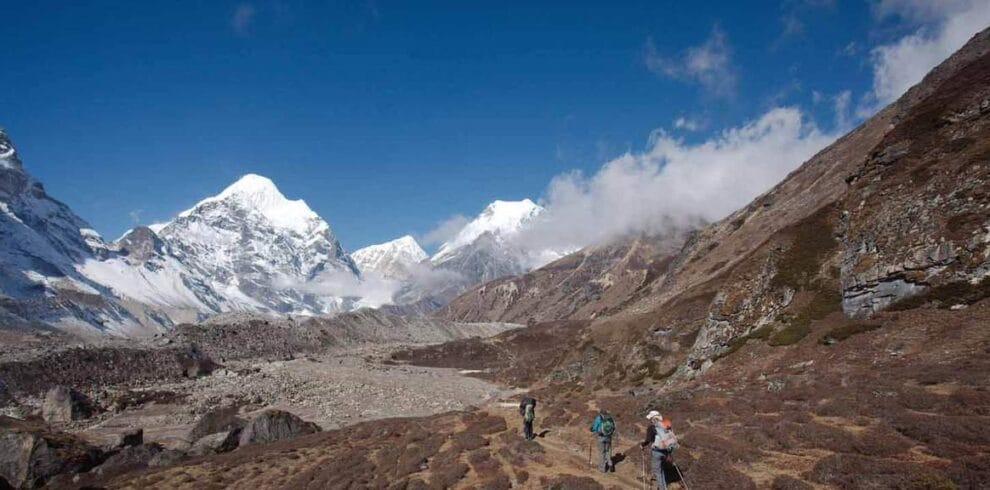
18 Days
$1,176
A remote, uncrowded tea-house trek over Shipton La into the Barun Valley, to the foot of Mt Makalu, the world's fifth-highest mountain.
Featured
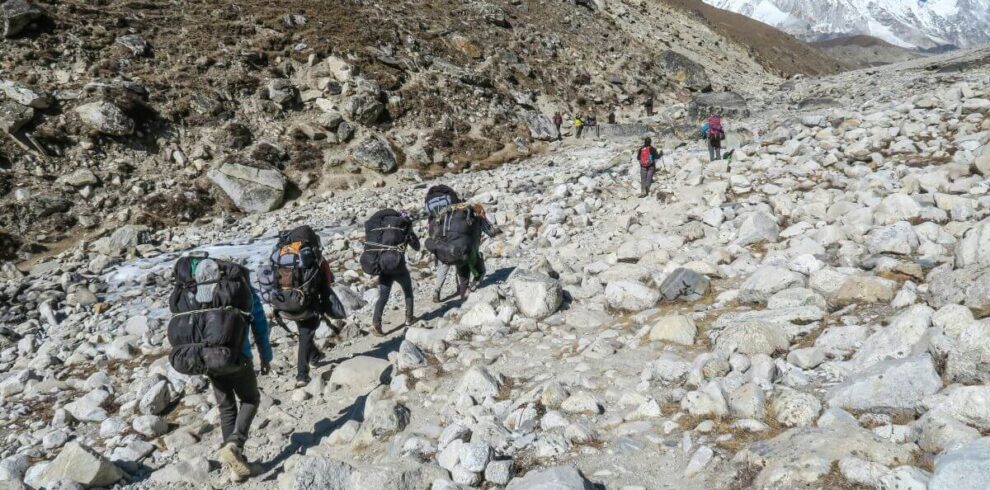
14 Days
$1,764
Legendary Himalayan landscapes and Sherpa culture on a responsible trek that still supports local porter-guides and tea houses.
Featured
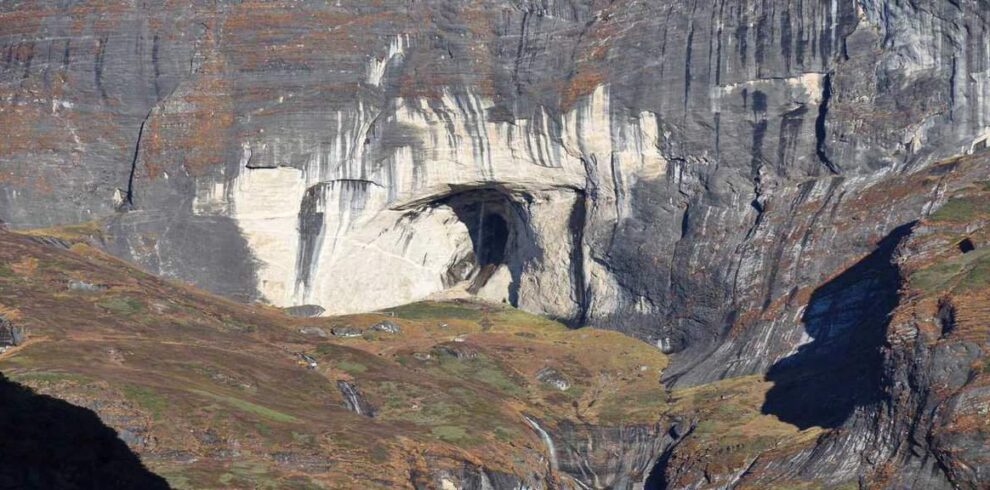
14 Days
$1,056
A sacred Himalayan journey beneath Makalu to the holy Shiva Dhara waterfall and Parbati cave, through Sherpa and Rai villages.