The Makalu Base Camp Trek is a strenuous trek. It is not technical: there is no climbing, no ropes and no glacier crossing on the standard route. What makes it hard is a combination of long days, big climbs, high passes and a remote valley where facilities are basic and help is far away.
We are a local trekking company in Khandbari, the starting point of the trek, and our porter-guides walk this route every season. This guide explains honestly how hard the trek is, where the difficult sections are, and how to prepare so that you enjoy it rather than just survive it.
Makalu Base Camp Trek difficulty at a glance
| Difficulty grade | Strenuous |
| Highest point | Makalu Base Camp, 4,870 m (optional side hikes up to about 5,000 m and beyond) |
| High passes | Ghungru La (4,045 m), Shipton La (4,216 m) and Keke La (4,150 m), all on the same day |
| Walking per day | Usually 4–6 hours, sometimes 6–8 hours on the way down |
| Trek length | 18 days from Khandbari, including a rest day and an exploration day |
| Accommodation | Basic tea houses and homestays |
| Technical skills needed | None |
| Best seasons | March–May and September–November |

What makes the Makalu trek hard
1. Big altitude gains early in the trek
The trek starts low, at Seduwa (1,540 m), and climbs quickly. The most demanding day for most people is the walk from Tashigaun (2,070 m) to Khongma (3,560 m): almost 1,500 metres of climbing through forest in one day. That is a big gain for both your legs and your body’s adjustment to altitude, and it is where many trekkers first feel headaches or shortness of breath.
2. Three passes in one day
From Khongma to Dobato you cross Ghungru La (4,045 m), Shipton La (4,216 m) and Keke La (4,150 m). The views of Chamlang, Baruntse and Makalu’s neighbours are spectacular, but the trail is rocky, steep in places and exposed to wind. In spring or after a late snowfall there can be snow and ice on the passes, which makes the walk slower and colder.
3. The steep descent into the Barun Valley
After the passes, the trail drops steeply from Dobato through forest to the Barun River. Long, steep descents are hard on the knees, and you climb back up the same way on the return. Trekking poles help a lot here.
4. High altitude at the top
From Langmale Kharka (4,400 m) to Makalu Base Camp (4,870 m), each breath holds roughly 40–45% less oxygen than at sea level. Walking feels slow, sleeping can be restless, and appetite often drops. Our itinerary includes a rest day at Langmale Kharka for this reason.
5. Remoteness and basic facilities
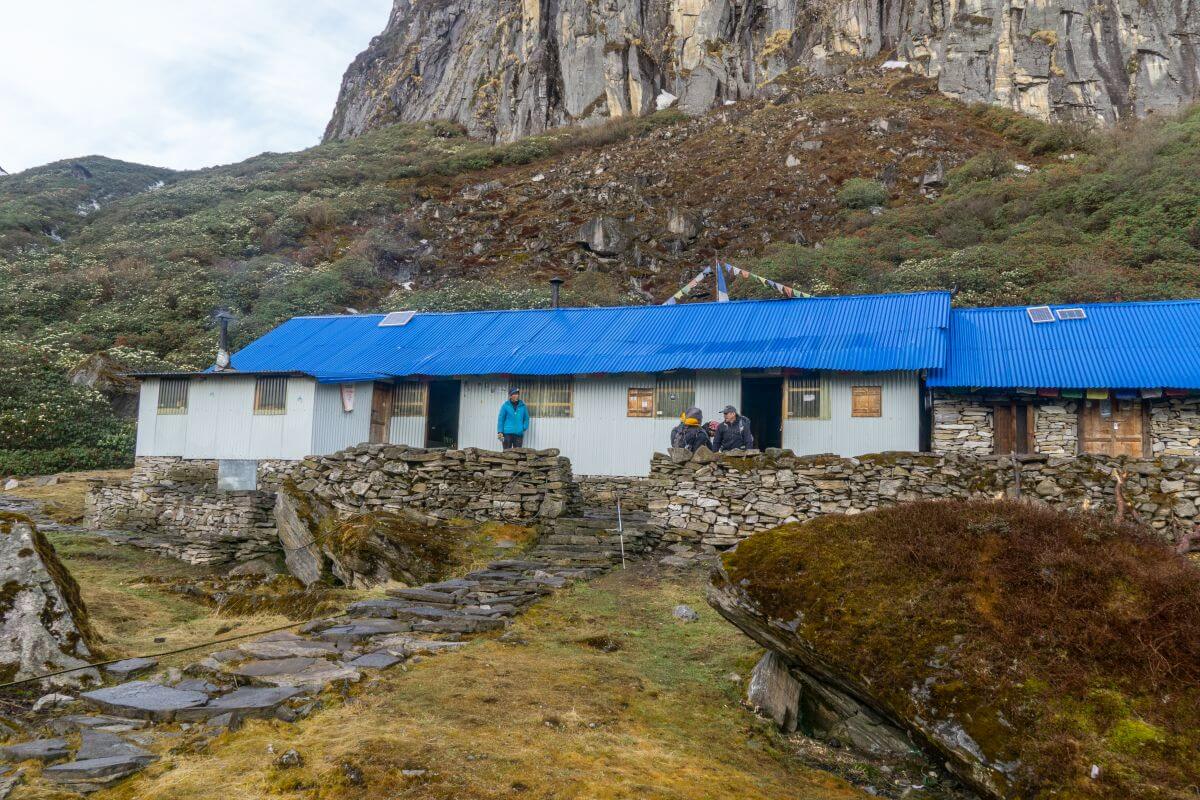
This is one of the quietest treks in Nepal. That is its charm, but it also means there are no shops, ATMs or hospitals once you leave the road, and tea houses are simple: shared rooms, basic toilets, limited hot water and dal bhat as the main meal. If someone becomes ill, the only fast way out is a helicopter, so travel insurance that covers helicopter rescue is essential.
Is Makalu harder than Everest Base Camp?
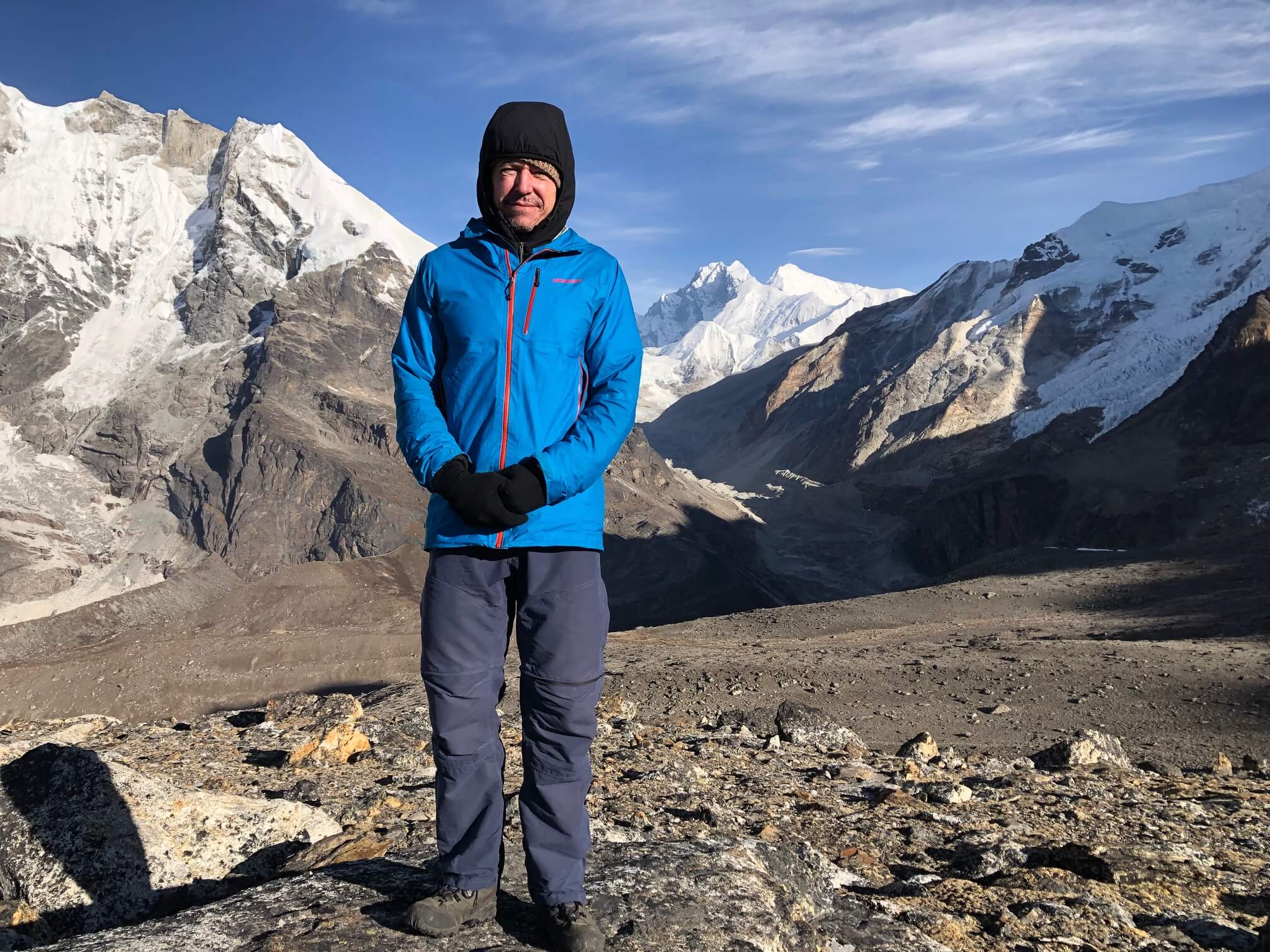
In height, no. Everest Base Camp is higher (about 5,364 m, and the Kala Patthar viewpoint about 5,545 m), while Makalu Base Camp is 4,870 m. But many trekkers who have done both say Makalu feels harder. One of our guests who had already walked Everest Base Camp and the Annapurna Circuit told us Makalu was the toughest of the three, and also the most rewarding.
The reasons are the steeper daily climbs, the passes, the long descents and the remoteness. On the Everest trail there are comfortable lodges, bakeries and many other trekkers every day; on the Makalu trail you may meet only a handful of foreigners in two weeks. In difficulty, Makalu is closer to the Kanchenjunga Base Camp Trek than to Everest Base Camp.
How fit do you need to be?
You don’t need to be an athlete, but you should be a regular walker in good health. A good test: you can comfortably hike 5–6 hours with 800–1,000 metres of climbing, and then do it again the next day. Previous high-altitude experience is helpful but not required.
Start training 8–12 weeks before your trek:
- Hill walks every weekend: build up to 5–6 hours with real ascents and descents, wearing the boots you’ll trek in.
- Cardio 3–4 times a week: brisk walking, cycling, running or swimming for 45–60 minutes.
- Stairs and step-ups: they train the exact muscles you use on long climbs.
- Leg and core strength: squats, lunges and planks protect your knees on steep descents.
- Back-to-back days: a few weekends with two long hikes in a row show how your body recovers.
If you have a heart or lung condition, high blood pressure, or have had problems at altitude before, talk to your doctor before booking.

Altitude sickness on the Makalu trek
Altitude sickness (AMS) can affect anyone above about 2,500 m, regardless of fitness. On this trek, the first risk point is Khongma (3,560 m), and the main one is the stretch from Langmale Kharka to base camp.
Common signs: headache, nausea, loss of appetite, dizziness, unusual tiredness and poor sleep. Serious signs that need immediate descent: confusion, loss of balance, breathlessness at rest, or a wet cough.
- Walk slowly. “Bistarai” (slowly) is the most useful Nepali word on this trek.
- Drink 3–4 litres of water a day and limit alcohol.
- Use the rest day at Langmale Kharka. Take a short walk higher and sleep lower.
- Tell your guide about any symptoms straight away. Your porter-guide will check how you feel each day, and going down is always the right call if symptoms get worse.
- Ask your doctor about acetazolamide (Diamox) before you travel.
How the season changes the difficulty
- Spring (March–May): rhododendrons in bloom and mild days; occasional snow on the passes early in the season.
- Autumn (September–November): the clearest views and most stable weather; cold nights at base camp.
- Winter (December–February): heavy snow can close Shipton La and some tea houses close. Only for experienced trekkers with flexible dates.
- Monsoon (June–August): rain, leeches in the forests, landslides on the road to Num and Seduwa, and cloudy mountains.
How we make the trek easier
Our 18-day Makalu Base Camp Trek is planned to give you the best chance of reaching base camp feeling well:
- A local porter-guide from Sankhuwasabha carries your main bag, so you walk with a light daypack. They know the trail and the tea house families along it.
- A rest day at Langmale Kharka (4,400 m) before base camp, and an exploration day at base camp itself.
- A gentler first trekking day from Seduwa to Tashigaun (about 530 m of climbing), so your legs warm up before the big climb to Khongma.
- Small groups of 1–6 people, so we walk at your pace.
- Spare days: we recommend adding 1–2 days to your plans, because flights to Tumlingtar can be delayed by weather.
Frequently asked questions
Can a beginner do the Makalu Base Camp Trek?
A fit beginner who trains well and walks with a guide can do it, but it is not the easiest first trek in Nepal. If you have never trekked at altitude, a shorter trek such as the Makalu View Trek or Pikey Peak Trek is a good way to start.
Do I need any climbing experience?
No. The route to base camp is a walking trail. Crampons or microspikes are only useful if there is snow on the passes, and your guide will tell you before you start.
How many hours do you walk each day?
Most days are 4–6 hours of walking, with breaks for tea and lunch. The descent from base camp to Yangle Kharka can take 6–8 hours.
What is the hardest day?
For most trekkers, either the climb from Tashigaun to Khongma (about 1,500 m up) or the crossing of Shipton La and Keke La to Dobato.
Is it worth it?
Yes. The Makalu Base Camp Trek asks more of you than the busier treks, but it gives back wild forests, the Barun Valley, empty trails and the huge south face of the world’s fifth-highest mountain, with very few other people around. And when you trek with MAST, your trip also supports village tea houses and education projects in Sankhuwasabha.
For routes, permits and costs, read our Makalu Base Camp Trek Guide. When you’re ready, see the full Makalu Base Camp Trek itinerary and price, or message us on WhatsApp and our team in Khandbari will help you decide if this trek is right for you. More questions? See our Nepal trekking FAQs.